
Unlocking Wealth: Strategic Investment in Gold and Silver
In today’s ever-fluctuating financial landscape, turning towards historically stable investments can be a wise strategy for wealth preservation and growth. Gold and silver have long been seen as safe havens during economic uncertainties. This article explores the strategic investment in these precious metals, helping both new and seasoned investors understand their intrinsic values and how they can diversify and stabilize your investment portfolio.
Understanding The Value of Gold and Silver
Gold and silver are not only valuable due to their aesthetic appeal but also for their roles in various industries, which underpins their intrinsic value. Gold is renowned for its use in electronics, jewelry, and as a monetary asset, while silver straddles both industrial demand and investment qualities, extensively used in areas such as solar panels, electronics, and medical instruments.
Due to these factors, both metals hold a significant position against inflation, economic downturns, and currency devaluation, making them a prudent choice for risk-averse investors.
How to Invest in Gold and Silver
Investment in gold and silver can be approached in several ways, each catering to different investment profiles and objectives. Here’s an overview:
1. Physical Metals
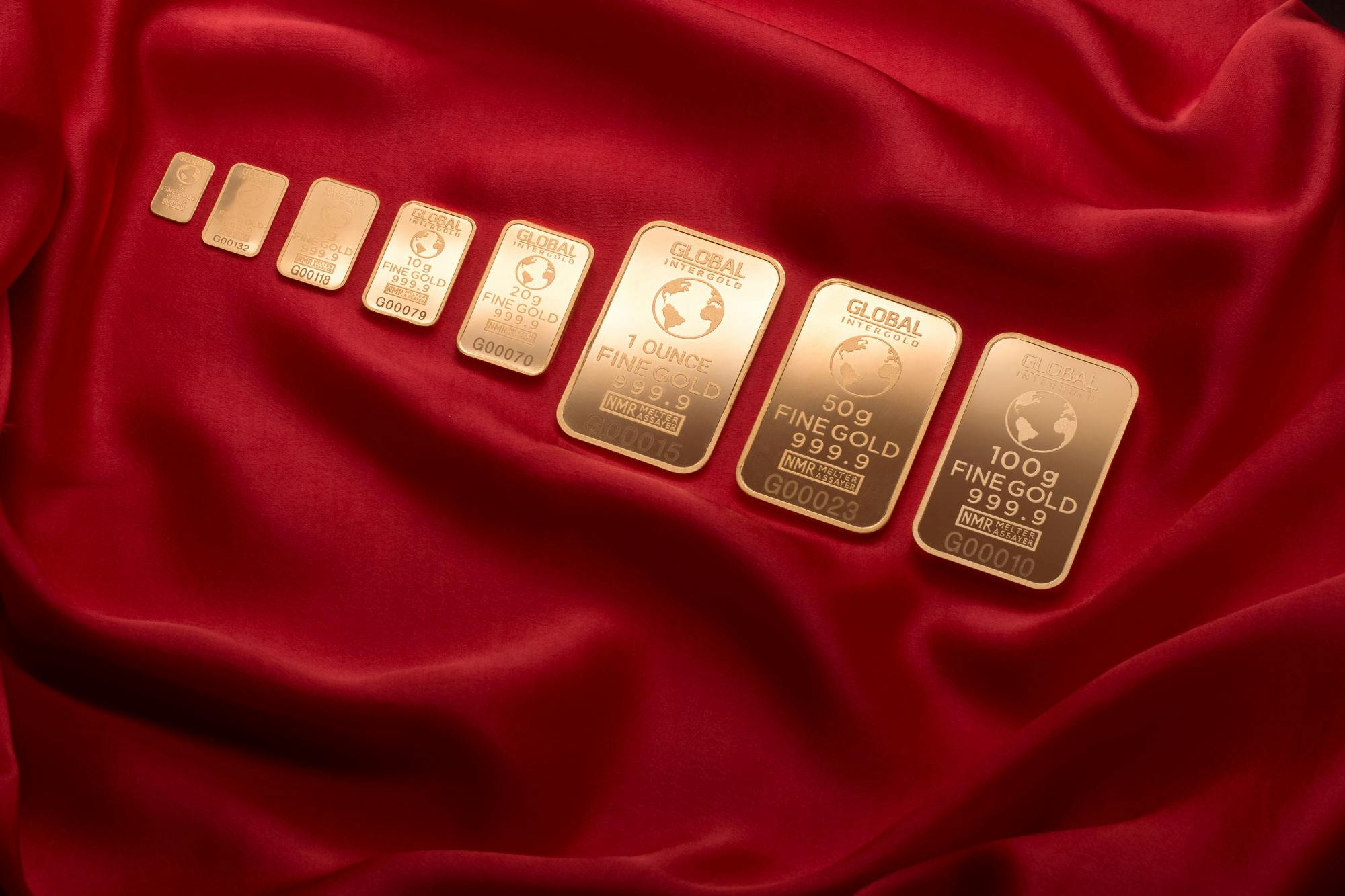
Purchasing physical bars or coins is the most direct way to own gold and silver. This investment method provides a tangible asset that retains value globally. However, it requires secure storage and insurance, potentially adding to the overall costs.
2. ETFs and Mutual Funds
For those preferring a hands-off approach, gold and silver Exchange-Traded Funds (ETFs) and mutual funds provide exposure to the metals without the need to handle the physical product. These financial instruments track the price of gold and silver, respectively, and can be bought and sold like stocks, making them highly liquid investments.
3. Mining Stocks
Investing in companies that mine, refine, and trade gold and silver is another route. While mining stocks are influenced by precious metals prices, they’re also subject to company-specific factors such as production costs and managerial effectiveness.
4. Futures and Options
More sophisticated investors might consider futures and options in gold and silver, which allow investment in contracts to buy or sell the metal at future dates or prices. This method can offer high leverage, but also higher risk, and typically requires a deeper understanding of the financial markets.
Benefits of Investing in Gold and Silver
The strategic inclusion of gold and silver in an investment portfolio offers several benefits:
- Diversification: Gold and silver historically have low correlation with stocks and bonds, which can help reduce overall portfolio risk.
- Inflation Hedge: Precious metals have maintained their purchasing power over long periods, making them excellent safeguards against inflation.
- Enhanced Security: Both metals provide a form of financial protection against geopolitical and macroeconomic instability.
Common Questions About Investing in Gold and Silver
What Is the Best Time to Invest in Gold and Silver?
While timing the market is notoriously difficult, looking for periods when inflation is expected to rise or during significant market downturns can be opportune times to consider adding these metals to your portfolio.
How Much of My Portfolio Should Be in Gold and Silver?
Most financial experts suggest allocating no more than 10-15% of your investment portfolio to precious metals. The exact percentage can depend on your individual investment goals and risk tolerance.
Are Gold and Silver Taxed?
Yes, in many jurisdictions, selling gold and silver can generate capital gains, which are subject to tax. It’s important to consult with a tax professional regarding the implications for your specific situation.
Risks of Investing in Precious Metals
While gold and silver can offer stability, they’re not without risks. Prices can be volatile in the short term, influenced by changing economic data, interest rates, and currency strength. Additionally, unlike stocks and bonds, precious metals do not produce income, such as dividends or interest, which can be a drawback for some investors.
Conclusion
Investing in gold and silver can be a strategic move to guard against inflation, diversify a portfolio, and enhance financial security. By understanding the different methods of investment and aligning them with personal financial goals, one can effectively leverage the inherent values of these precious metals. As with any investment decision, it is crucial to conduct thorough research and possibly engage with financial experts to tailor a strategy that best suits your needs.
In summary, while there are risks involved, the strategic addition of gold and silver to your investment strategy can potentially unlock new pathways to generating and preserving wealth across various economic conditions.
