
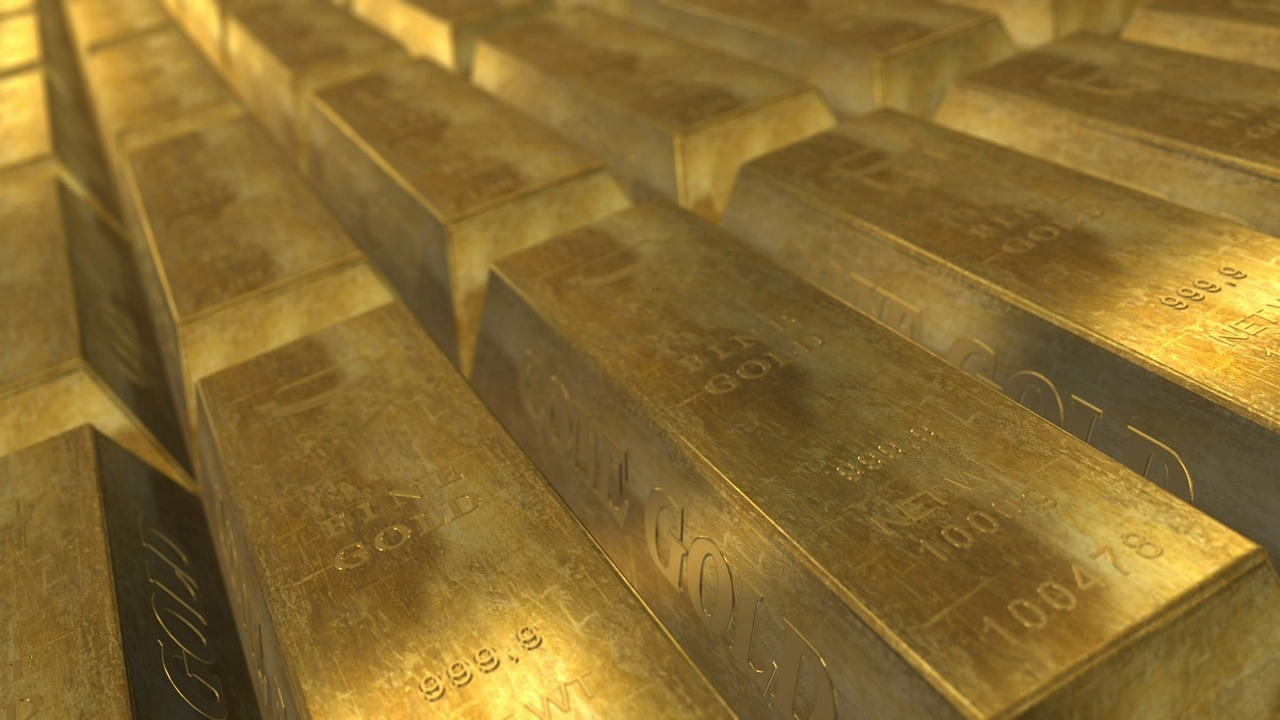
Golden Stability vs. Silver Volatility: Navigating Asset Values in Economic Downturns
Investing during economic downturns can be a complex and anxiety-inducing endeavor. Many investors turn to precious metals as supposedly safer havens during volatile market phases. Gold and silver are among the most popular assets in such strategies, but their inherent values react differently to economic stress. In this analytical piece, we’ll explore the contrasting aspects of Golden Stability and Silver Volatility, providing investors with insights on navigating asset values in economic downturns.
Understanding the Basics: What Drives Gold and Silver Prices?
Gold – The Beacon of Stability
Gold has traditionally been perceived as a safe investment. It is frequently referred to as a ‘crisis commodity’ because it tends to retain, or even gain, value during times of economic distress. The price of gold is driven by several factors including:
- Economic uncertainty: During downturns or geopolitical tensions, more investors turn to gold as a wealth-preserving asset.
- Inflation rates: Gold is often seen as an effective hedge against inflation.
- Currency values: Particularly the value of the U.S. dollar, against which gold is often inversely correlated.
Silver – The Tumultuous Alternative
While silver is also a precious metal, its market dynamics are starkly different from gold. Silver prices are influenced by:
- Industrial demand: Silver has wide applications in industries like electronics and solar panels, making its price sensitive to economic activity.
- Investor speculation: Silver tends to attract more speculative investments, leading to higher volatility.
- Gold market trends: Although more volatile, silver prices often follow the directional trend of gold, albeit with greater swings.
Analyzing Historical Price Movements
Historical data provides vivid insights into how gold and silver have performed during past economic recessions. For instance, during the 2008 financial crisis, gold prices increased by about 25% whereas silver initially fell but eventually skyrocketed in the post-crisis recovery period. This pattern underscores gold’s role as a stabilizer and silver’s potential for large gains (and losses), reflecting their roles during economic stress.
Investment Strategies for Economic Downturns
Diversification Using Gold
Investing in gold can be an effective way of diversifying a portfolio. Here are some approaches:
- Gold bullion: Direct investment in physical gold, although secure, involves storage and insurance costs.
- Gold ETFs and mutual funds: These provide easier exposure to gold prices without the logistical issues of handling physical gold.
- Gold stocks: Stocks of companies involved in gold mining, though these can be affected by broader market trends beyond just gold prices.
Leveraging Silver’s Upside
For those with a higher risk tolerance, silver offers opportunities for substantial gains, particularly in a recovery phase following an economic downturn. Options include:
- Silver coins and bars: Direct investment in physical silver.
- Silver ETFs and mining stocks: These offer exposure to silver prices and industry performance, respectively.
Risk Management
For Gold
- Over-dependence on gold: While it’s a stable asset, over-investing in gold can lead to missed opportunities in other asset classes.
- Price corrections: Even gold can experience adjustments, typically following sharp rises in value.
For Silver
- Market volatility: Silver’s price can dramatically rise and fall, making it a riskier investment.
- Industrial demand shock: Economic downturns can drastically reduce industrial demand for silver, impacting its price severely.
FAQs in Gold and Silver Investment
How much should I invest in gold and silver?
The exact proportion depends on your overall investment strategy and risk tolerance. Financial advisors often recommend a diversification approach, where precious metals form a part of your portfolio but not its entirety.
How do I start investing in gold and silver?
Consider starting with ETFs or mutual funds that invest in precious metals, which don’t necessitate dealing with physical goods.
Are there tax implications for buying gold and silver?
Yes, buying and selling precious metals can have tax implications depending on your jurisdiction. Generally, profits from precious metals are subject to capital gains tax.
Conclusion
The dichotomy between golden stability and silver volatility presents unique challenges and opportunities for investors. By understanding the intrinsic qualities and market influences on each metal, investors can better navigate their portfolio through the tumultuous waters of economic downturns. Whether it’s the steady assurance of gold or the speculative potential of silver, both metals have their place in a balanced investment strategy. Remember, the key is not to seek refuge in one asset alone but to judiciously use each to your strategic advantage.COMPLIANCE_MINIMIZED
