
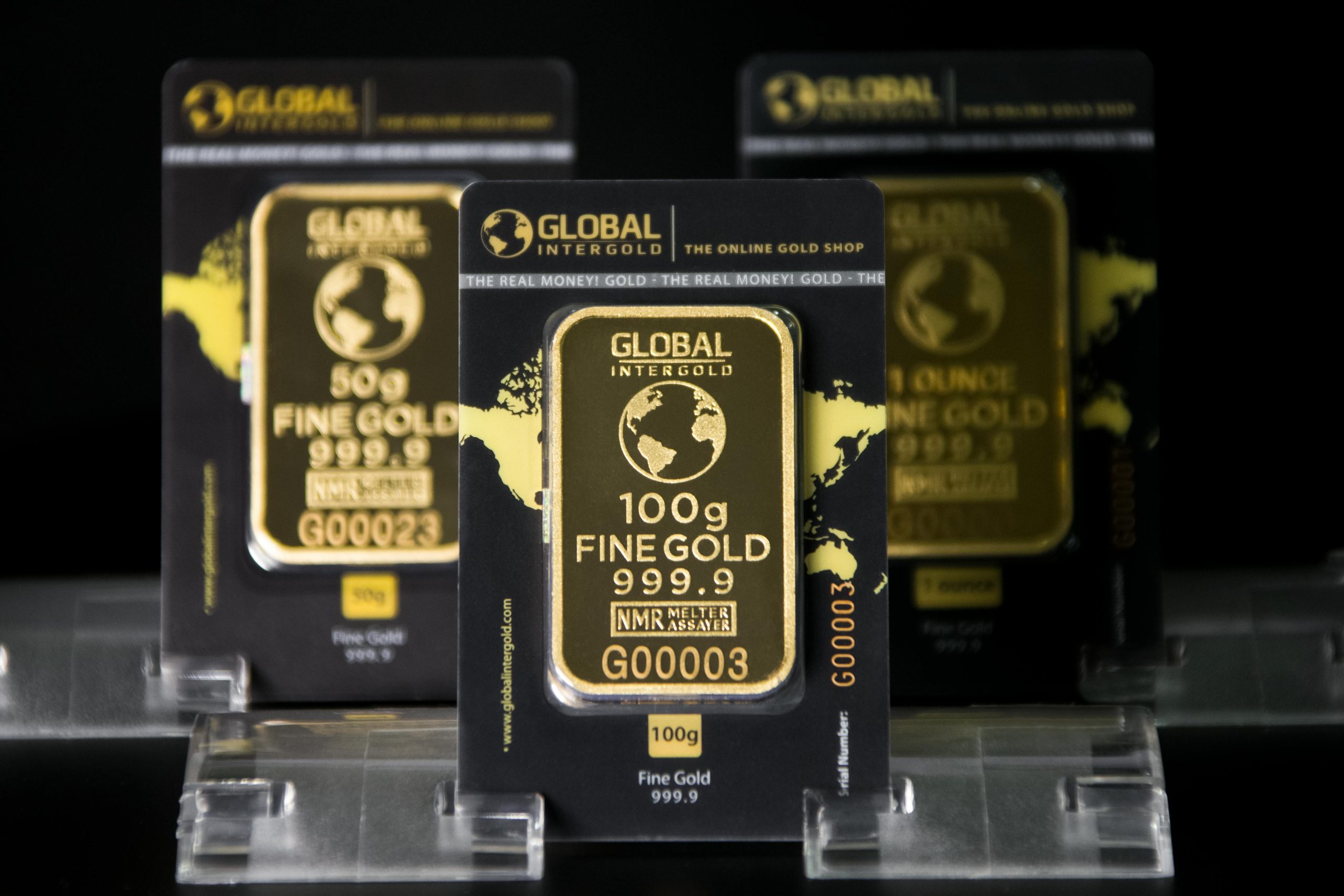
Unlocking the Future of Wealth: Silver Price Predictions for 2026
The future of wealth management and investment often shines a spotlight on precious metals, and silver is no exception. With its dual status as both an industrial metal and a precious investment, silver has continually sparked the interest of investors globally. As we approach 2026, understanding the dynamics that could shape silver prices is crucial for those looking to diversify their portfolios or hedge against economic uncertainty. This in-depth article provides a comprehensive overview of the factors influencing silver prices and thoughtful predictions for 2026.
Understanding Silver’s Market Dynamics
Before delving into future predictions, it’s essential to understand the basics of what drives the price of silver. Silver’s market value is influenced by both its role in industrial applications and its value as an investment asset. Factors like global economic growth, technological advancements, and market demand for silver in industries such as solar panels, electronics, and jewelry all play significant roles. Moreover, as an investment asset, silver is affected by interest rates, inflation, and currency fluctuations, similar to other precious metals.
Current Trends Impacting Silver Prices
Recent trends in both economic environments and silver’s industrial demand offer important clues about future price movements. For instance, the push towards renewable energy and eco-friendly technologies has led to increased demand for silver, given its excellent conductive properties. Additionally, global economic instability, like that seen during the COVID-19 pandemic, often results in investors turning to silver and other precious metals as safe-haven assets.
Technical Analysis of Silver Prices
To offer a calculated prediction for the silver prices in 2026, it’s useful to employ technical analysis. Historical price action, volume data, and price patterns help in forecasting future price movements. By analyzing these elements, patterns begin to emerge that give insights not readily apparent through other forms of analysis. Technical indicators such as moving averages, RSI (Relative Strength Index), and Fibonacci retracement levels provide additional insights into potential future price levels for silver.
Economic Forecasts and Industrial Demand
Looking towards 2026, the global economic forecasts suggest a recovery path post the disruptions caused by the pandemic. As economies strengthen, industrial demand for silver is expected to rise. This is particularly true for sectors like electronics, where silver’s properties are indispensable. Another sector that could significantly influence silver’s price is the automotive industry, especially with the increasing production of electric vehicles which use silver in various components.
Geopolitical Factors and Market Psychology
Geopolitical tensions and uncertainties often lead investors to precious metals as a risk management strategy. Events that might trigger economic instability, such as trade wars, regional conflicts, or dramatic changes in energy prices, could see a rise in investment demand for silver. Additionally, market psychology, which encompasses the general sentiment or attitude of investors towards particular markets, plays a critical role. If the perception of risk increases globally, so does the likelihood of higher silver prices.
Silver Price Predictions for 2026
Predicting exact price points in the future involves uncertainty, but trend analysis and economic forecasting can provide a ballpark figure. Based on the analysis of silver’s demand in emerging technological applications, and assuming ongoing economic stability, silver prices could see significant growth. Experts in the field suggest that prices might range between $30 to $50 per ounce by 2026, influenced heavily by industrial demand and investment flows. Factors like new mining technologies or major discoveries of silver deposits could also play a pivotal role in shaping prices.
Investor Strategies for Silver in 2026
For investors eyeing silver, strategies should vary based on their risk tolerance and investment horizon. Long-term investors might consider holding physical silver or silver ETFs, benefiting from potential price appreciation. Alternatively, more aggressive investors could look at futures contracts or options to leverage their positions on silver prices. Diversification, always a key strategy in investing, becomes even more important when dealing with precious metals like silver.
Conclusion
As we look towards 2026, the silver market presents both challenges and opportunities. By understanding the various factors that affect silver prices, from industrial demand to geopolitical influences, investors can better prepare to capitalize on this volatile but potentially rewarding market. While predictions provide a guiding light, continuous monitoring of market trends and global economic conditions will be crucial for success in silver investing.
Frequently Asked Questions
Is silver a good investment for the future?
Given its broad utility in industry and its status as a store of value, silver can be a good investment, particularly for those looking to diversify their investment portfolio.
How does the price of silver react to economic downturns?
Typically, during economic downturns, silver prices can rise as it is considered a safe-haven asset, similar to gold.
Can technological advancements affect silver prices?
Yes, advancements in technology, especially in areas that use silver extensively like solar panels and electronics, can drive up the demand and price of silver.
By keeping these insights and strategies in mind, investors can navigate the complex yet promising world of silver investing as we move closer to 2026.
